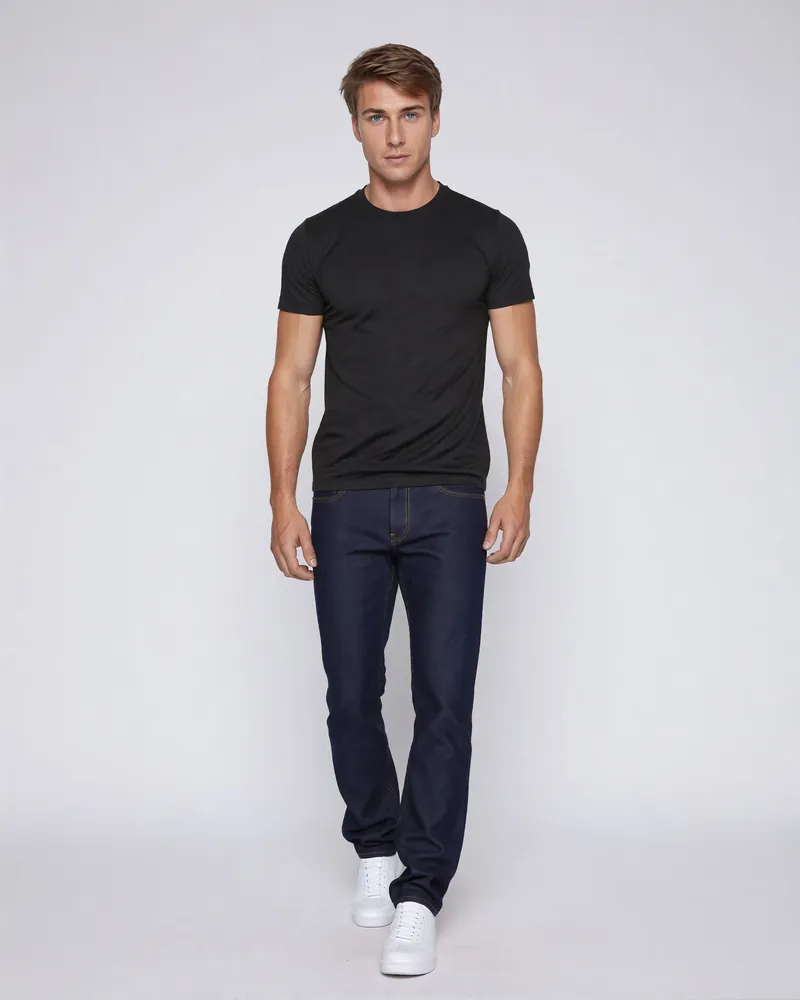
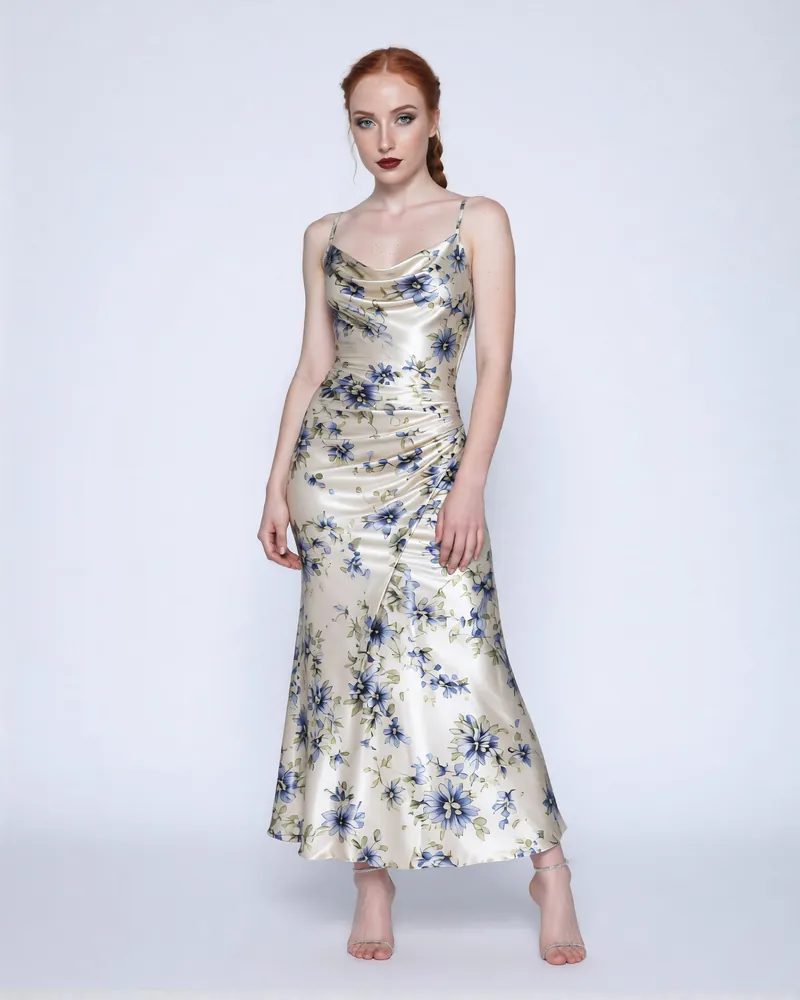
Start from what you have
No new shoot — your existing product images are the input.
Ghost mannequin to on-model
You already shoot ghost-mannequin or flat-lay images for your listings. Shootless turns them into on-model imagery that shows how the garment actually wears.
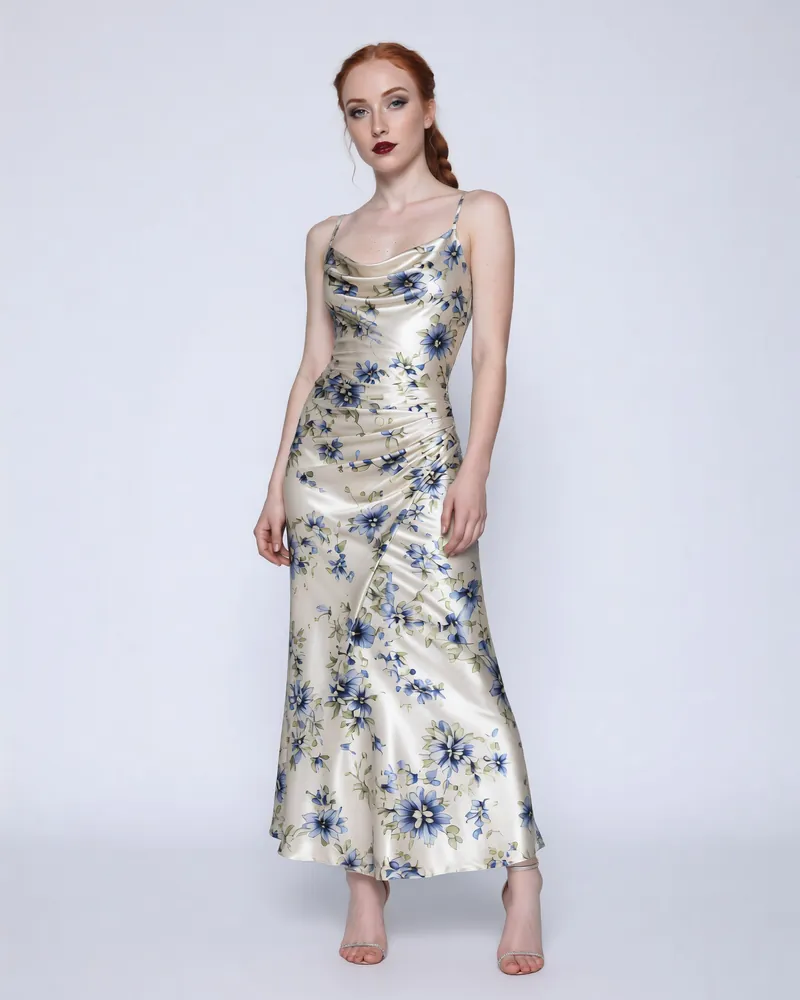
Ghost-mannequin photography is efficient and accurate — it captures shape, construction and detail without the cost of a model. But on its own it rarely converts as well as on-model imagery, because customers want to see how a garment looks worn.
Shootless uses that ghost-mannequin or flat-lay image as the source asset and produces on-model photography from it. You keep the efficiency of your existing product photography and gain the on-model images your product pages need.
No new shoot — your existing product images are the input.
Ghost-mannequin photography carries silhouette and construction into the final image.
Produce clean PDP shots and lifestyle images from the same source.
Take your whole catalogue on-model, not just a selection.
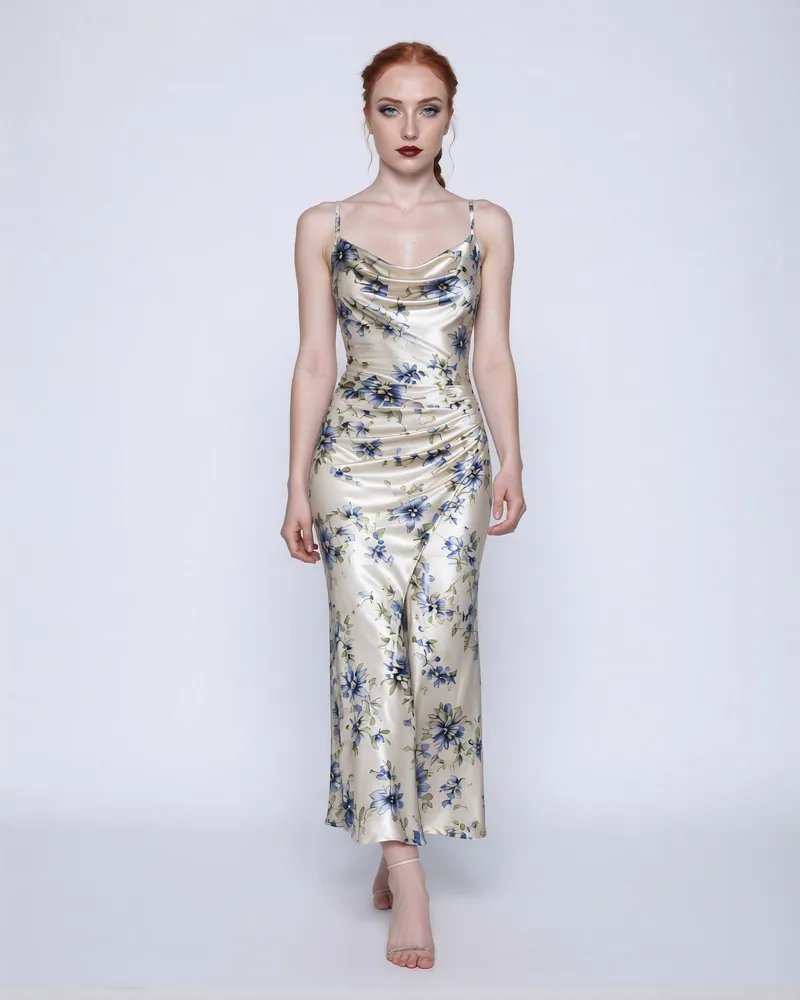
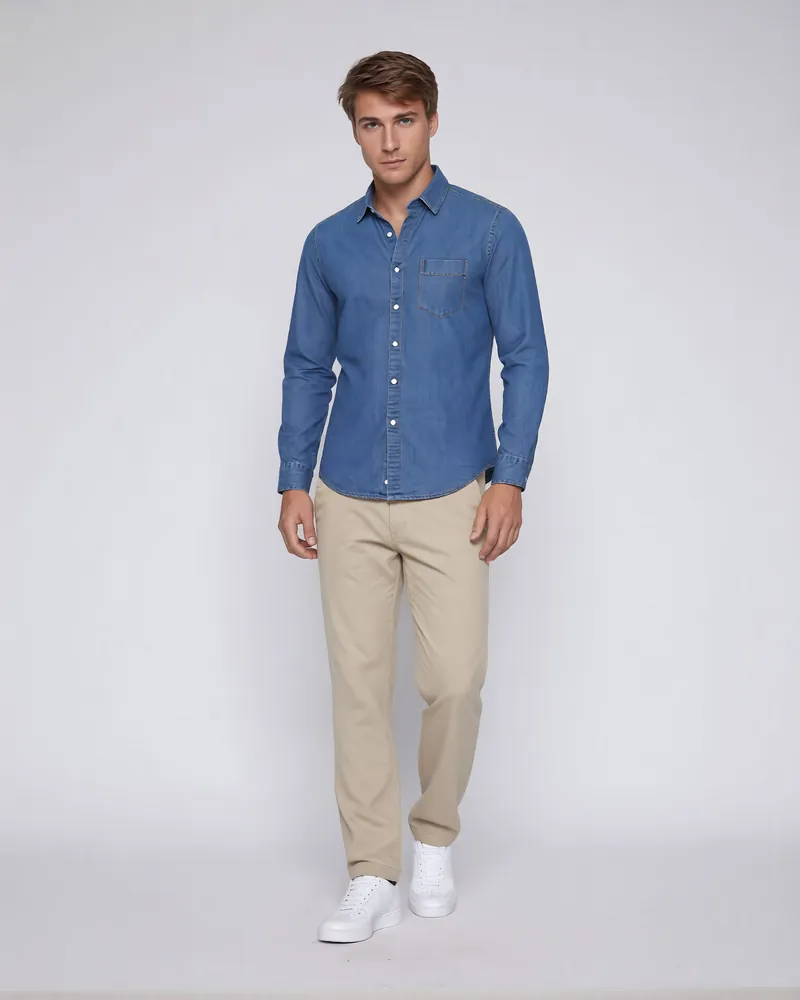
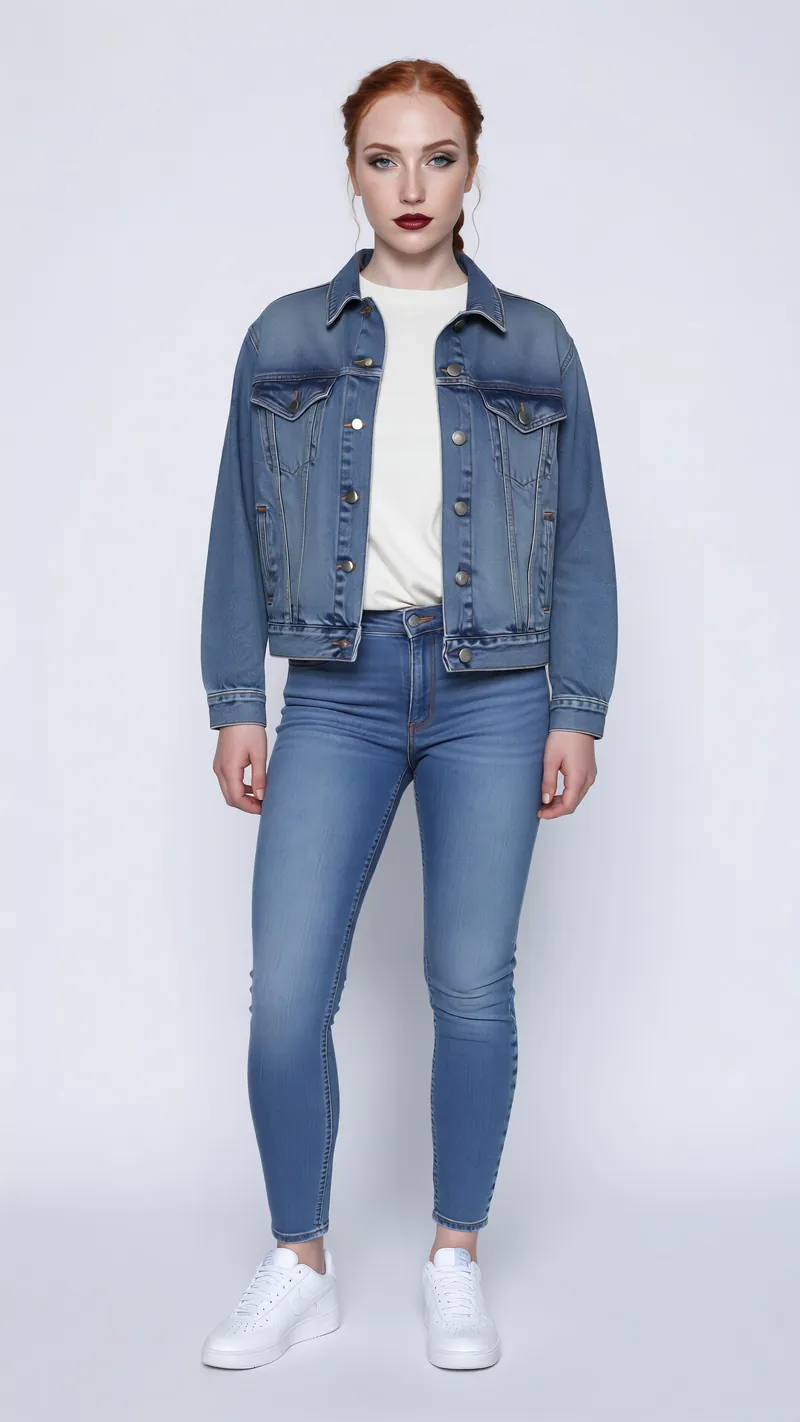
The workflow
Your existing flat-lay or ghost-mannequin photography is the starting point. No samples to ship, no new shoot.
The platform builds an understanding of the garment's fabric, silhouette and construction from your images.
You define model, setting, lighting, mood and composition — entered directly as the brief.
Imagery is produced and iterated across directions, models and settings in parallel.
Your team reviews every image against the product and signs off, on any device.
Finished assets are delivered for ecommerce, editorial, social and campaign.
A ghost-mannequin image shows a garment in three dimensions — neckline, shoulders, waist and hem as they sit on a body — without the body. That is exactly the information an on-model image needs to get right.
Flat-lays work too, and many brands use them. The more clearly the product image shows the garment's shape, colour and details, the more faithfully that carries through to the on-model result.
| Traditional photoshoot | Shootless | |
|---|---|---|
| Samples | Sourced, shipped, stored and returned | Not needed — your product photos are the input |
| Scheduling | Model, crew and studio aligned on one date | Nothing to schedule |
| Locations | Travel, permits and weather risk | Chosen in the brief |
| Iteration | Reshoots cost a new day | Explore directions before committing |
| Consistency | Varies between shoot days | Same model and look across the catalogue |
| Lead time | Typically weeks | Typically hours |
Add on-model imagery without adding shoot days.
Upgrade flat supplier imagery to on-model presentation.
Show single items on-model when a shoot per item is uneconomic.
Built by people who know production
Shootless is built by Third Axis Creative, a commercial content production consultancy in Peterborough, UK. The team spent years on traditional fashion sets — sourcing samples, booking studios, managing crews — before building the technology to remove the parts of that process that no longer need to exist. That experience is why the platform is built around lighting, fabric, posing and campaign composition, and around the real garment you sell.
Yes. Both work. Ghost-mannequin images carry more shape information; clean, well-lit flat-lays are also an effective starting point.
Even lighting, accurate colour, the full garment in frame and clear detail on prints, trims and closures. If your listing images are good enough to sell from, they are usually a good starting point.
If you want back views on-model, supplying a back image of the garment helps keep that view accurate.
Your product image is the reference for every output, and each image is reviewed against it before approval.
Yes. Converting existing ghost-mannequin catalogues to on-model imagery is one of the most common starting points. Get in touch to talk through volumes.
Talk to the Third Axis Creative team about Shootless for your brand.
Request access →